
LAW, GOVERNMENT & PUBLIC SERVICE
Diplomat / Foreign Service Officer
Representing National Interests Across Borders
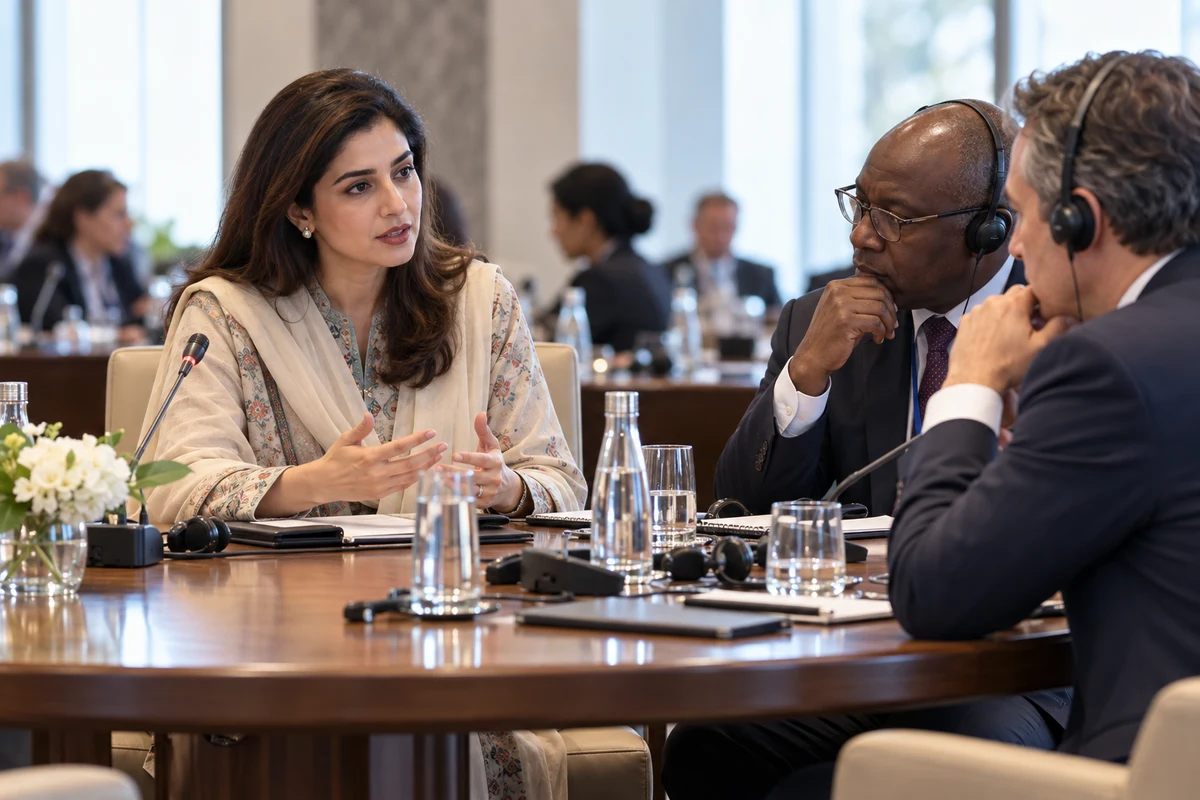
Diplomats represent their country abroad, manage international relationships and communicate national positions. They work through negotiation, reporting, cultural understanding and careful public service.
Key Outcomes
What this career leads to
- Stronger international relations
- Clear diplomatic communication
- Protected national interests
- Support for citizens abroad
What They Do
On the job
- Analyse political, economic and social developments
- Prepare diplomatic reports and policy briefs
- Negotiate and communicate with foreign counterparts
- Support consular, trade, cultural or multilateral work
Where They Work
Typical workplaces
- Foreign ministries
- Embassies and consulates
- Permanent missions to international organisations
- Government policy offices
- International conferences
- Diplomatic training institutions
Core Skills
What it takes
- Diplomatic communication and negotiation
- International affairs and policy analysis
- Cultural awareness and languages
- Discretion, adaptability and sound judgement
Areas of Application
Where this knowledge shows up
- Bilateral diplomacy
- Multilateral organisations
- Consular affairs
- Economic and trade diplomacy
- Public and cultural diplomacy
Education & Entry Path
The learning route
Foreign-service entry usually requires a university degree and success in a national competitive selection process, followed by specialised training. Language ability and strong writing are valuable.
Career Scope
The long view
Diplomats rotate across headquarters and overseas assignments in political, economic, consular, trade, cultural or multilateral roles. Career structures are determined by national service rules.
Related Careers
Kindred paths to explore
Explore Scientists’ Contribution
The discoveries behind this field
- Al-Biruni c. 973 - 1048 Astronomy Measured the Earth; wrote encyclopaedically across the sciences Read their profile
- Al-Khwarizmi c. 780 - c. 850 Mathematics Father of algebra; his name gave us "algorithm" Read their profile
- Ibn al-Nafis c. 1213 - 1288 Medicine First to describe pulmonary circulation Read their profile
- Nasir al-Din al-Tusi c. 1201 - 1274 Astronomy Refined planetary models later echoed by Copernicus Read their profile