
LAW, GOVERNMENT & PUBLIC SERVICE
Government Administrator
Keeping Public Institutions Working
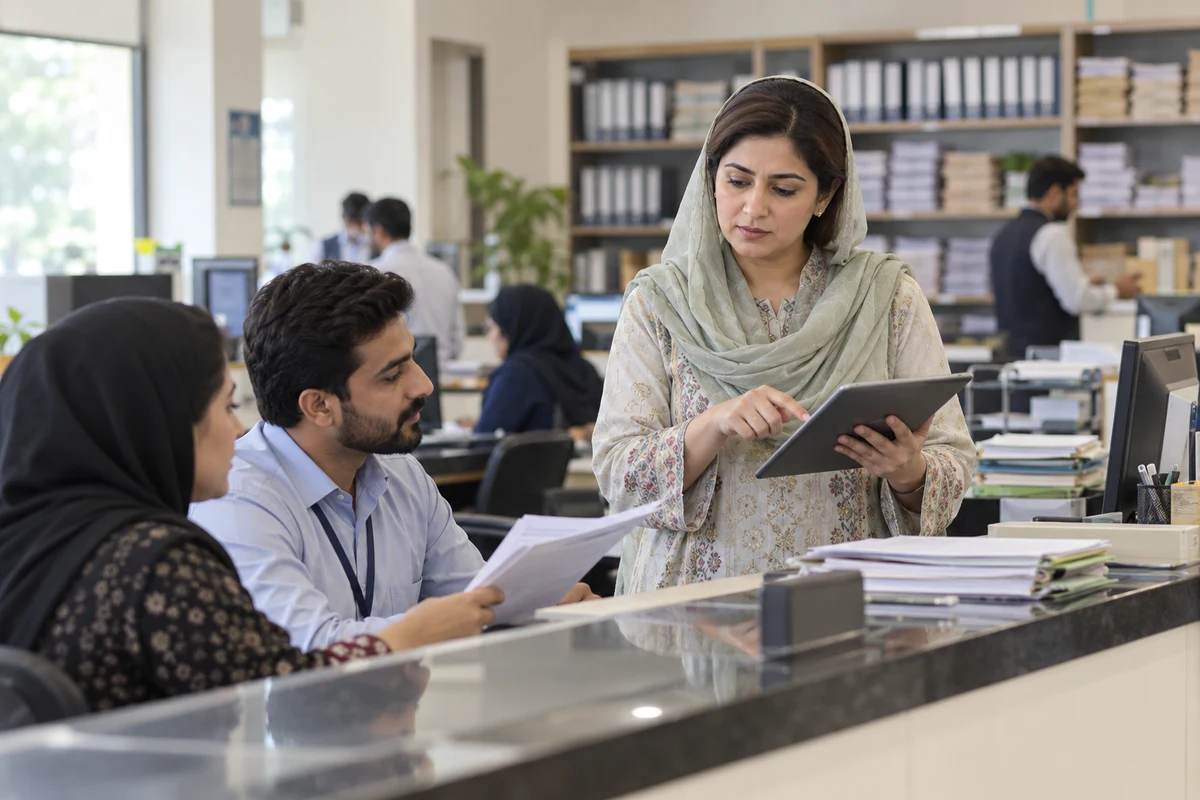
Government administrators organise the people, records, budgets and procedures that allow public institutions to function. They translate official rules and plans into consistent daily operations.
Key Outcomes
What this career leads to
- Organised services
- Reliable records
- Efficient procedures
- Public accountability
What They Do
On the job
- Coordinate office operations and public services
- Maintain official records and administrative processes
- Support budgeting, procurement and staff management
- Prepare reports and ensure procedures follow applicable rules
Where They Work
Typical workplaces
- Government departments
- Municipal and district offices
- Public hospitals and universities
- Regulatory agencies
- Public corporations
- Administrative tribunals and commissions
Core Skills
What it takes
- Organisation and process management
- Official writing and record keeping
- Public communication
- Integrity, coordination and attention to detail
Areas of Application
Where this knowledge shows up
- Local government
- Departmental administration
- Public finance support
- Human-resource administration
- Procurement and service operations
Education & Entry Path
The learning route
A university degree in public administration, management, political science, commerce or another relevant field is common. Entry may involve public-service examinations or agency-specific recruitment.
Career Scope
The long view
Administrators may progress into departmental management, procurement, finance, human resources, planning, regulatory support or senior public management.
Related Careers
Kindred paths to explore
Explore Scientists’ Contribution
The discoveries behind this field
- Al-Biruni c. 973 - 1048 Astronomy Measured the Earth; wrote encyclopaedically across the sciences Read their profile
- Al-Khwarizmi c. 780 - c. 850 Mathematics Father of algebra; his name gave us "algorithm" Read their profile
- Ibn al-Nafis c. 1213 - 1288 Medicine First to describe pulmonary circulation Read their profile
- Nasir al-Din al-Tusi c. 1201 - 1274 Astronomy Refined planetary models later echoed by Copernicus Read their profile