
MEDIA, COMMUNICATION & LANGUAGES
Journalist
Finding Facts, Explaining What Matters
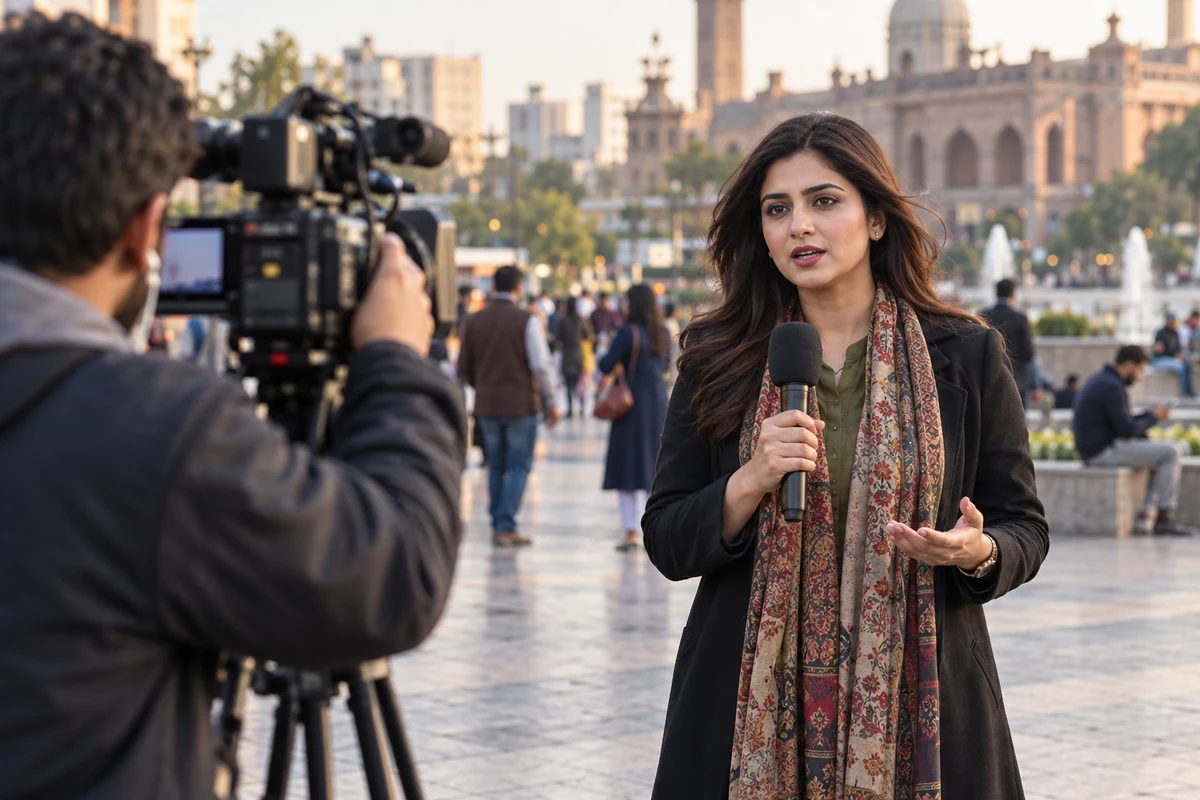
Journalists investigate events, verify information and communicate stories in the public interest. Their work may use writing, audio, video, data and live reporting.
Key Outcomes
What this career leads to
- Verified information
- Public understanding
- Accountable institutions
- Documented events
What They Do
On the job
- Research topics and identify reliable sources
- Interview people and verify claims
- Write, record or produce accurate reports
- Correct errors and follow editorial and ethical standards
Where They Work
Typical workplaces
- Newspapers and magazines
- Television and radio organisations
- Digital newsrooms
- Independent media platforms
- News agencies
- Research and documentary teams
Core Skills
What it takes
- Research and interviewing
- Clear writing and storytelling
- Verification and media literacy
- Ethics, curiosity and working to deadlines
Areas of Application
Where this knowledge shows up
- News reporting
- Investigative journalism
- Broadcast and multimedia journalism
- Data and visual journalism
- Feature and specialist reporting
Education & Entry Path
The learning route
Journalism, media or communication degrees are useful, but strong reporting skills, subject knowledge and a credible portfolio are central. Legal and safety training are important for some assignments.
Career Scope
The long view
Journalists may specialise by medium or topic, become editors or producers, work independently, or move into documentary, data and investigative work.
Related Careers
Kindred paths to explore
Explore Scientists’ Contribution
The discoveries behind this field
- Al-Biruni c. 973 - 1048 Astronomy Measured the Earth; wrote encyclopaedically across the sciences Read their profile
- Nicolaus Copernicus 1473 - 1543 Astronomy Heliocentric model of the solar system Read their profile
- Charles Darwin 1809 - 1882 Biology Theory of Evolution by Natural Selection Read their profile
- Isaac Newton 1643 - 1727 Physics Laws of Motion and Universal Gravitation Read their profile