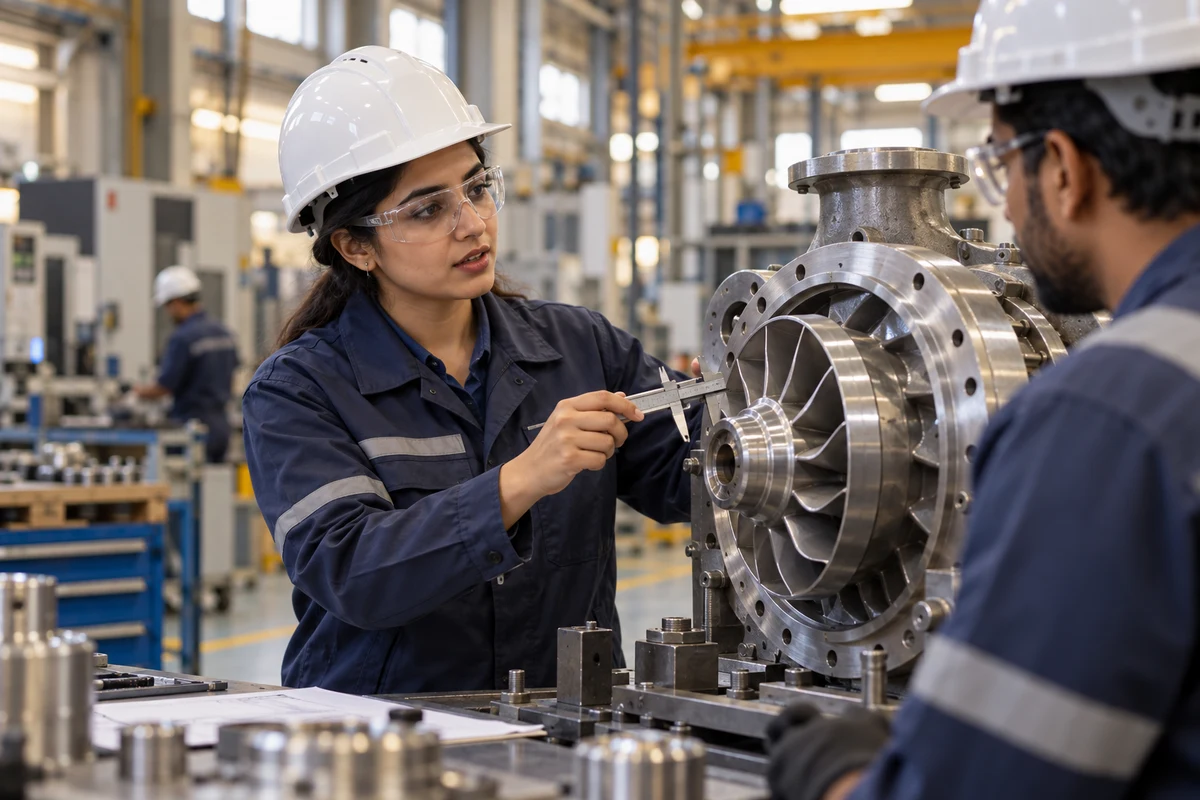
Mechanical engineers design, analyse and improve machines and systems involving motion, forces, heat and materials. Their work reaches from small devices to factories and energy systems.
Key Outcomes
What this career leads to
Efficient machines
Reliable products
Safer processes
Better energy use
What They Do
On the job
Create and evaluate mechanical designs
Use calculations, simulation and technical drawings
Build or supervise prototypes and tests
Improve manufacturing, maintenance and system performance
Where They Work
Typical workplaces
Manufacturing plants
Engineering consultancies
Energy companies
Automotive and transport firms
Construction and facilities organisations
Research and development teams
Core Skills
What it takes
Mechanics and thermodynamics
CAD and engineering analysis
Problem-solving and experimentation
Project communication and safety awareness
Areas of Application
Where this knowledge shows up
Machine and product design
Manufacturing
Energy and thermal systems
Automotive and transport engineering
Maintenance and industrial systems
Education & Entry Path
The learning route
A recognised degree in mechanical engineering is the standard foundation. Professional practice may require supervised experience, registration or specialised certifications.
Career Scope
The long view
Mechanical engineers work in design, manufacturing, energy, maintenance, quality, research, project management and technical consulting.