
LAW, GOVERNMENT & PUBLIC SERVICE
Police / Law Enforcement Officer
Protecting People, Upholding the Law
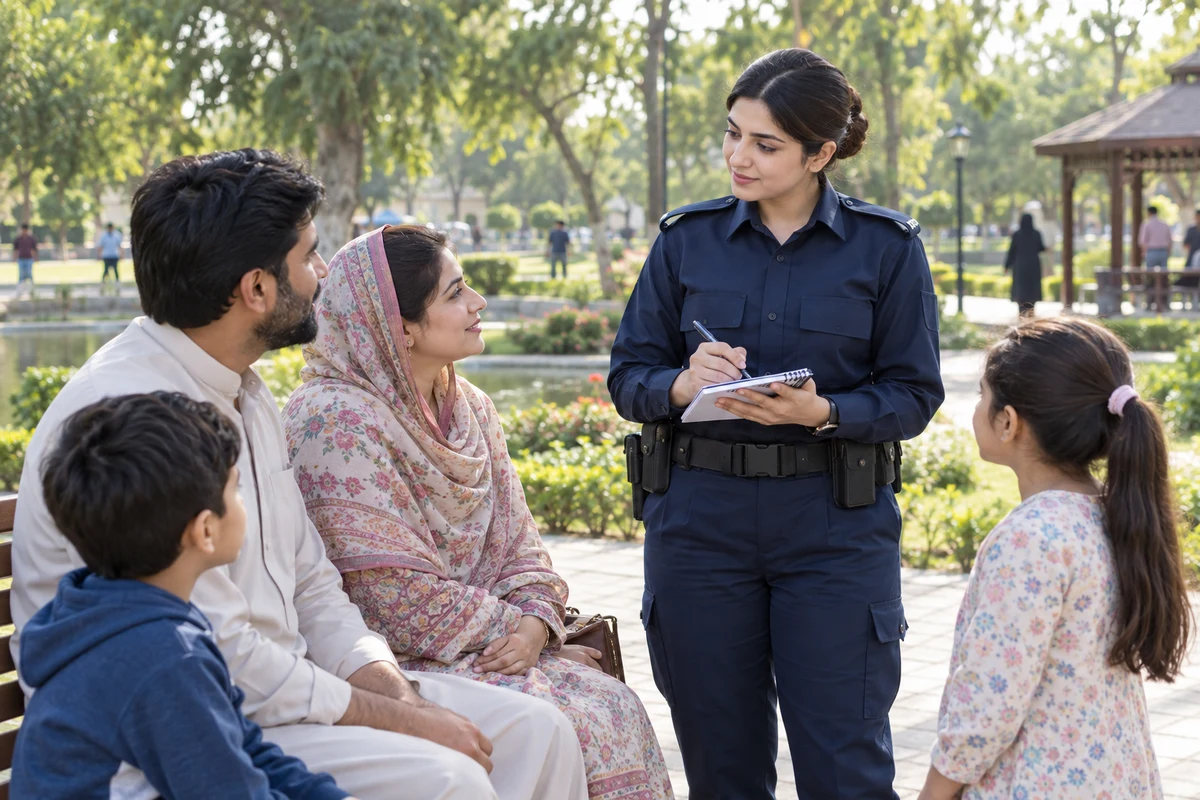
Police and law-enforcement officers work to prevent crime, respond to emergencies, investigate offences and maintain public safety within legal and ethical boundaries.
Key Outcomes
What this career leads to
- Safer communities
- Emergency response
- Lawful investigation
- Public protection
What They Do
On the job
- Respond to incidents and protect people at risk
- Patrol communities and help prevent crime
- Collect information and investigate offences within authority
- Prepare reports, preserve evidence and support legal proceedings
Where They Work
Typical workplaces
- Police departments
- Investigation agencies
- Traffic and highway units
- Border or transport security
- Training academies
- Specialised public-safety units
Core Skills
What it takes
- Situational judgement
- Communication and conflict de-escalation
- Physical and emotional resilience
- Integrity, observation and accurate reporting
Areas of Application
Where this knowledge shows up
- Community policing
- Criminal investigation
- Traffic and public safety
- Specialised enforcement
- Training and crime prevention
Education & Entry Path
The learning route
Entry requirements vary by rank and agency and may include education, competitive testing, physical standards, background screening and academy training. Promotions often require experience and further examinations.
Career Scope
The long view
Officers may progress into investigation, community policing, traffic, intelligence, forensics coordination, training, leadership or specialised units.
Related Careers
Kindred paths to explore
Explore Scientists’ Contribution
The discoveries behind this field
- Al-Biruni c. 973 - 1048 Astronomy Measured the Earth; wrote encyclopaedically across the sciences Read their profile
- Al-Khwarizmi c. 780 - c. 850 Mathematics Father of algebra; his name gave us "algorithm" Read their profile
- Ibn al-Nafis c. 1213 - 1288 Medicine First to describe pulmonary circulation Read their profile
- Nasir al-Din al-Tusi c. 1201 - 1274 Astronomy Refined planetary models later echoed by Copernicus Read their profile