
Then
His compendium became a reference across the Islamic world and later Europe, influencing teaching hospitals and clinical practice.
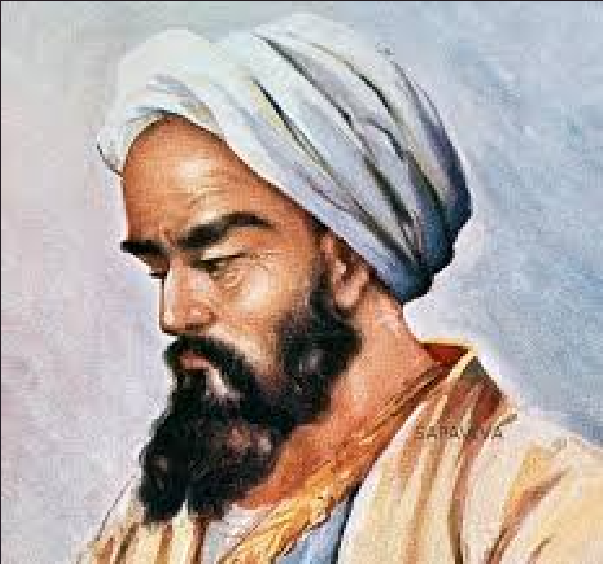
Timeline of Discovery · 3 / 30
c. 865 - 925 · Islamic Golden Age (Persia)
Al-Razi, known in Europe as Rhazes, was a physician and chemist who emphasised careful clinical observation and wrote an influential survey of medicine.
How can a physician judge disease and treatment from careful observation of the patient rather than from theory alone?
What this scientist actually did — precisely and plainly.
He wrote the “Kitab al-Hawi”, a vast medical compendium, and is remembered for distinguishing smallpox from measles and for advocating empirical, ethical medical practice.
The tools, experiments and reasoning behind the discovery.
He kept detailed case notes from his hospitals, compared treatments, and weighed evidence from his own observations and earlier authorities.
From their own moment in history to the world we live in now.
His compendium became a reference across the Islamic world and later Europe, influencing teaching hospitals and clinical practice.
Observational medicine, case documentation and the ethical cautions he voiced preview the bedside methods at the heart of modern clinical training.
Landmarks that carried the idea into the world.
Where this profile was verified.
Last reviewed: 2026-09-22
Follow their field into the Career Atlas