
Then
His commentary circulated among physicians and kept the correct idea alive in the Islamic world.
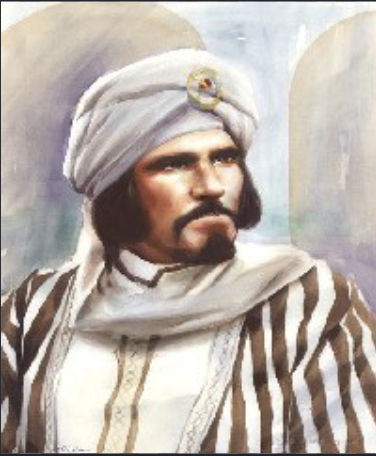
Timeline of Discovery · 10 / 30
c. 1213 - 1288 · Islamic Golden Age (Damascus / Cairo)
Ibn al-Nafis was a physician who described pulmonary circulation — the passage of blood through the lungs — centuries before the famous later European discovery.
Where does the blood go after it leaves the heart, and does it cross from the heart’s right side to the left through the lungs?
What this scientist actually did — precisely and plainly.
He argued that blood must pass from the right side of the heart to the left through the lungs, correcting Galen’s model that assumed a passage within the septum.
The tools, experiments and reasoning behind the discovery.
He reasoned from anatomy and physiology, examining the structure of the heart and lungs and questioning inherited doctrine.
From their own moment in history to the world we live in now.
His commentary circulated among physicians and kept the correct idea alive in the Islamic world.
Understanding circulation is foundational to cardiology and modern medicine; his correction shows how close observation can overturn trusted authority.
Landmarks that carried the idea into the world.
Where this profile was verified.
Last reviewed: 2026-09-22
Follow their field into the Career Atlas