
Then
The Canon was used in European and Islamic universities from the eleventh century into the seventeenth, shaping medical education.
Timeline of Discovery · 7 / 30
c. 980 - 1037 · Islamic Golden Age (Persia)
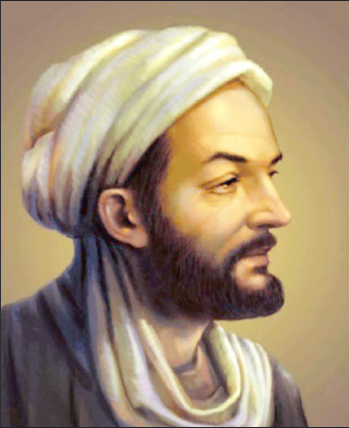
Ibn Sina, Avicenna in the West, was a physician and philosopher whose “Canon of Medicine” became a standard medical textbook in Europe for more than five centuries.
How can the whole of medicine — anatomy, diagnosis, treatment and hygiene — be organised into a single teachable system?
What this scientist actually did — precisely and plainly.
The Canon synthesised Greek and Islamic medicine into an orderly guide, and he argued for understanding disease by considering the patient’s whole condition.
The tools, experiments and reasoning behind the discovery.
He reviewed earlier authorities, added his own clinical experience, and arranged medical knowledge into clear, curriculum-ready volumes.
From their own moment in history to the world we live in now.
The Canon was used in European and Islamic universities from the eleventh century into the seventeenth, shaping medical education.
The idea of a systematic medical framework, structured diagnosis and a holistic view of the patient persists in how doctors are trained today.
Landmarks that carried the idea into the world.
Where this profile was verified.
Last reviewed: 2026-09-22
Follow their field into the Career Atlas